Public Relations Insights

Jan
31

Altitude Design Summit – New Model for Industry Conferences

Posted on January 31, 2012 by Wendy Silverstein

Altitude Design Conference logo

by Jessica Tolliver, Wendy Silverstein & Associates

Last week more than 500 design professionals gathered in Salt Lake City for the third annual Altitude Design Summit. Like many trade conferences, this one featured the usual panel presentations, keynote speakers, networking parties and roundtable discussions.
alt-summit-2012-conference-room

Packed conference room at Alt 2012

But Alt—as attendees affectionately call it—stands out from the usual fare in a number of ways. Talk in the hotel hallways revolved around things like trendy hairstyles and eyeglasses, gilt-edged business cards, and how cute the keynote speaker was. And more importantly: This new and relatively small conference generates a lot of buzz. Online chatter is still going strong one week after the conference ended, as both those who attended and those who wanted to but couldn’t—the conference has sold out the last two years—continue to share thoughts and ideas.

What is the Altitude Design Summit and what makes it unusual? Alt brings together design bloggers and the professionals (marketers, online services, traditional media…) who work with them. Simply put, a design blogger is somebody who blogs about design.  But a design blog can cover all kinds of things, including fashion, interior design, event planning, photography, travel and more. And while some bloggers make a living from their blogs, others use them as a marketing tool for their “real” jobs, like product design, graphic design, interior design, event planning, wedding photography and more.

alt-summit-2012-live-twitter

And these bloggers—most of whom are women—can be enormously influential, setting trends and building buzz. They fall in a newly established and evolving grey area somewhere between traditional media and celebrities. And they’re a lot like that cool girl in high school who found out about the “hot new thing” before anybody else did—and then told all her friends about it.

What can a presence at Alt do for your brand? Consider Pinterest, which the Wall Street Journal recently called “the hottest start-up of late in Silicon Valley.” Pinterest founder Ben Silbermann attended Alt three years ago to discuss his idea for a new social-networking site where users could “pin” images onto virtual bulletin boards. The next year he was gearing up to launch the site and invited Alt attendees to be among the first to try out the (still) invite-only site.

This year, Silbermann attended the conference as a keynote speaker. Pinterest launched in early 2011, grew by 40 percent in the last six months, and just won $27 million in VC funding. Plus, companies like West Elm, Whole Foods, Nordstrom, Bergdorf Goodman and Real Simple are using Pinterest to market their own brands. (You should check it out, if you haven’t already.)

Plenty of big brands also consider Alt a worthwhile place to market their products and services. HP, Cottonelle, Sherwin-Williams, Method and HGTV are just a few examples of the large corporations that attended the conference to connect with bloggers this year. And growing and niche companies were there too.

alt-summit-2012-cottonelle

Cottenelle influences the influencers

How to know if Alt is the right place to go to grow your brand? Follow that age-old marketing advice: Know your target. Do they turn to blogs for ideas, inspiration and recommendations? Is your product or service one that will interest a blogger? Does it feel like a genuinely good fit for her subject matter? If you answered yes, then Alt could be the place for you. Start planning your outfits now.

alt-summit-2012-mailchimp

Mail Chimp at Alt 2012

Share and Enjoy:
  • Digg
  • StumbleUpon
  • del.icio.us
  • Facebook
  • Twitter
  • Google Bookmarks
  • BlinkList
  • blogmarks
  • Blogosphere
  • Diigo
  • eKudos
  • Fark
  • Faves
  • FriendFeed
  • Google Buzz
  • Identi.ca
  • LinkaGoGo
  • LinkedIn
  • Live
  • MySpace
  • Netvibes
  • NewsVine
  • Orkut
  • Ping.fm
  • Plurk
  • Propeller
  • Reddit
  • Simpy
  • Slashdot
  • Technorati
  • Tumblr
Jan
6

How to Stage an Effective Media Tour: Part 2

Posted on January 6, 2012 by John OReilly

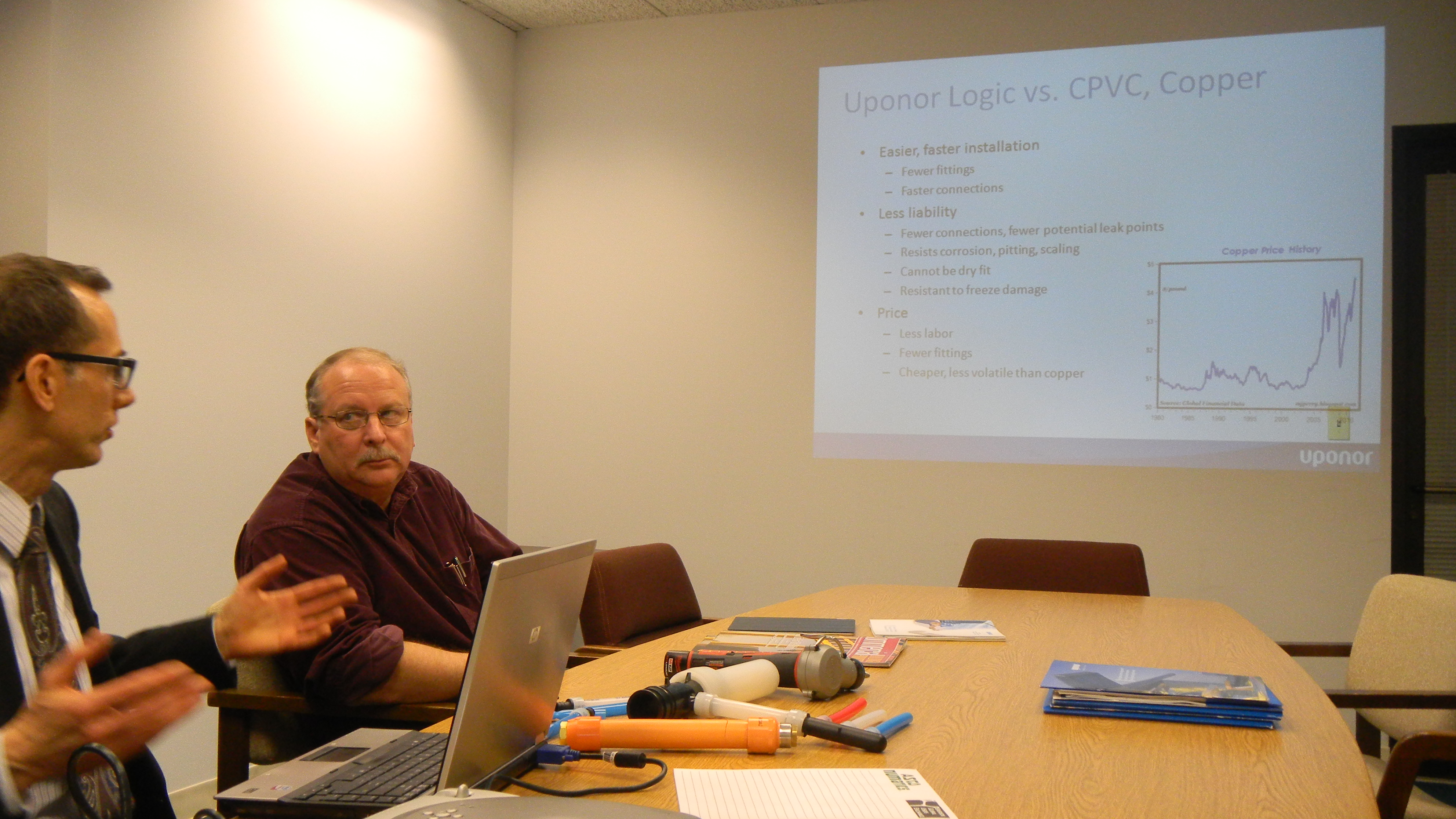
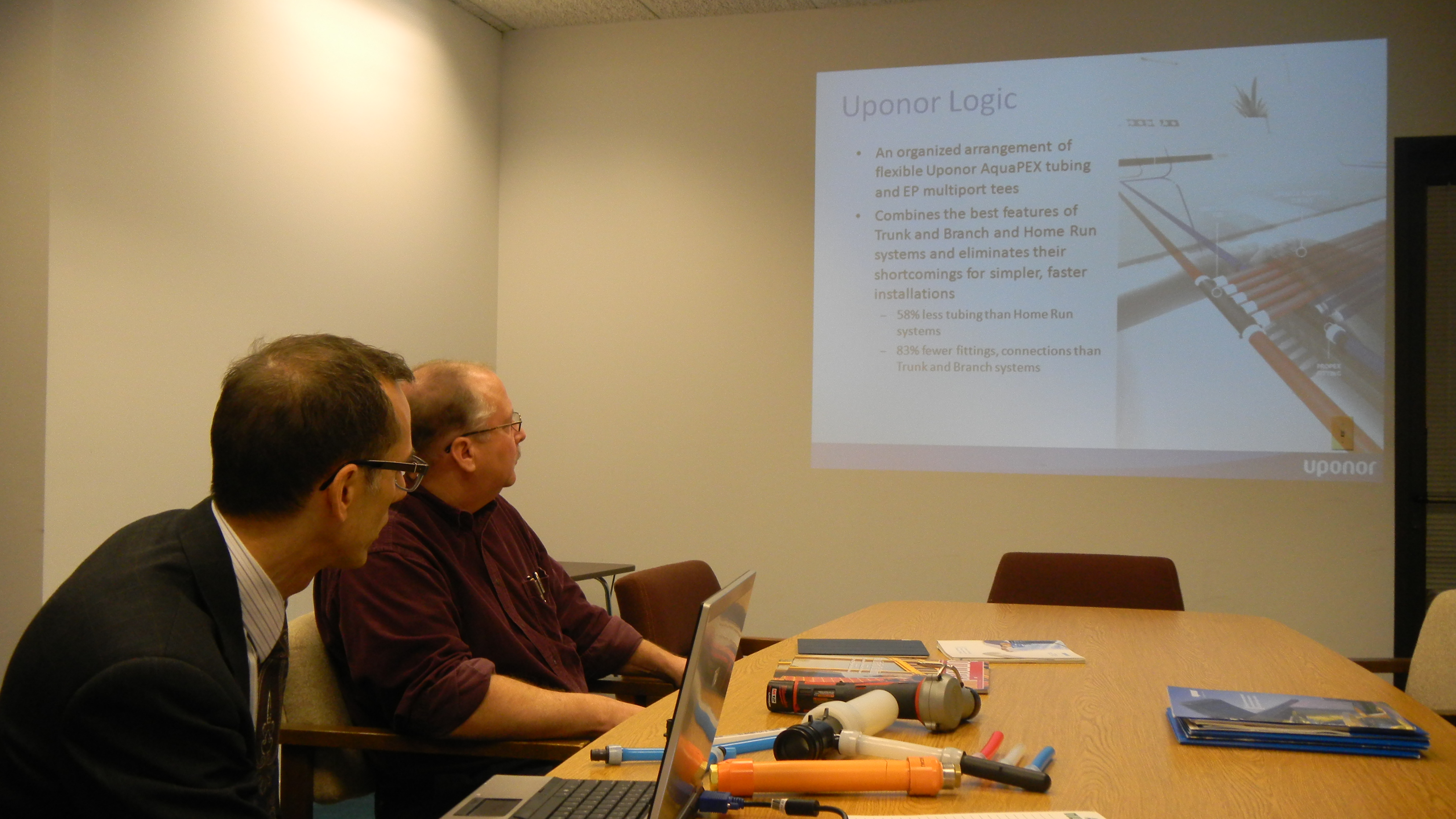
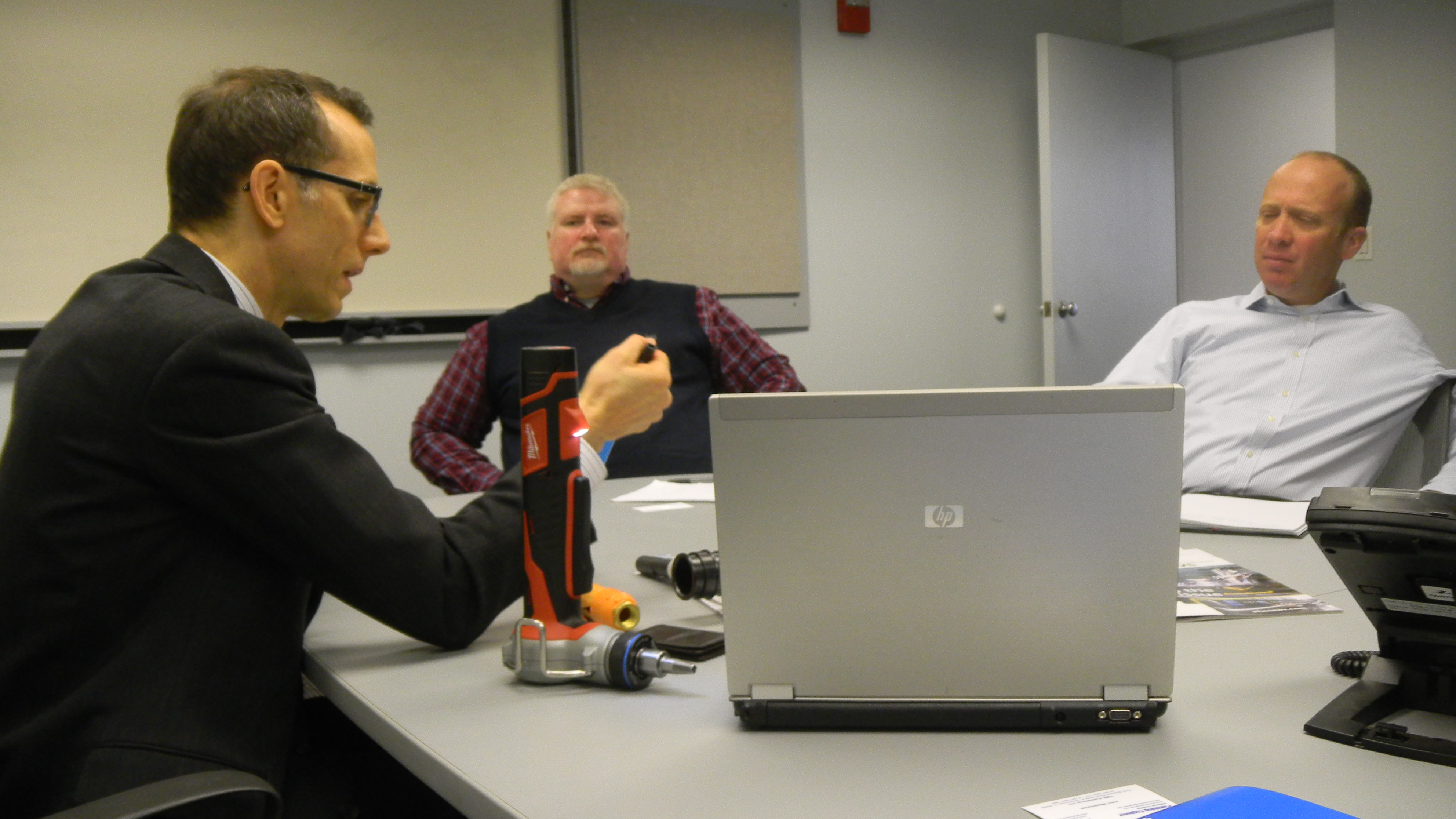
This entry is Part 2 of our look at the fundamentals of staging effective media tours. View Part 1 here. Below is a slideshow of images from a recent media tour for Uponor in Chicago.

Picture 1 of 12

Fundamental #2: Have something to show. Visual aids are a must and typically take the form of a PowerPoint presentation. I can hear you suppressing a yawn, but a slide show has solid practical value in holding the editors’ attention, while making what you say more concrete and therefore more memorable—especially if your slide show is part of your leave-behind. (More on that in a bit.)

In creating the PowerPoint or whatever tools you prefer, don’t shortchange the visual imagery. The editors may not read along as you move from slide to slide. But strong pictorial elements, especially of product components, cutaways, schematics, graphs, tables, flow charts and the like will help make your words resonate. And your audience won’t fail to appreciate the care you have taken in crafting your presentation.

The only communications aid better than an image or an illustration is the thing itself. If possible, bring actual products or components, so that the editors can see and touch that special new finish or unique functionality first-hand. The hands-on approach will generate more interest, more questions and more enthusiasm for whatever you are presenting.

On my most recent media tour, the client highlighted his company’s proprietary method for making pipe connections, which can seem a rather mundane affair when left solely to verbal descriptions. Step-by-step graphics are better, but how about actually making a connection right there in front of the editors? That’s what my client did, and his rather quick and simple demo made a solidly positive impression on each group of editors. When one asked to do a connection himself, it was easily one of the highlights of that session. What better way to persuade an editor of the value of your product or system?
Fundamental #3: Have something to leave behind. While building relationships is the primary benefit of a media tour, clients understandably expect a more tangible payoff in the form of actual publicity. The surest way to make that happen is to create a press kit dedicated solely to the meeting or media tour. Also, be sure to bring enough copies so that all attendees can have one if they wish.

This kit should contain press materials relating to your presentation, including news releases and photography of new and recently introduced products. But you might also want to include relevant case studies, white papers, product brochures, as well as your PowerPoint presentation and a corporate backgrounder that the editors can keep on file for future reference. Anything that adds to their understanding of your company and its mission is of potential interest.

That may sound like information overload, which is why I strongly recommend making the kit electronic: Editors will accept paper kits, but they love the easy portability and “file-ability” of a disc and, best of all, a flash drive. Do not miss this opportunity to impress the press. The fastest way to an editor’s heart—and to the pages of his or her publication—is to make the job of using your materials easier.

Fundamental #4: Find converging interests. Generating more publicity for the brand is at the top of the wish lists of most marketers, regardless of the state of the economy or the market. Meanwhile, editors find themselves constantly scrambling for information and ideas to meet the relentless content requirements of their proliferating communications outlets, print and online.

One of the best ways to discover where exactly your mutual interests converge is through a face-to-face dialogue with the editors. Trade shows and other venues offer numerous occasions for such meetings, but except for a tour of your own factory, none matches the effectiveness of a “deskside” get-together for building relationships and identifying ways to meet editor interests and needs.


Share and Enjoy:
  • Digg
  • StumbleUpon
  • del.icio.us
  • Facebook
  • Twitter
  • Google Bookmarks
  • BlinkList
  • blogmarks
  • Blogosphere
  • Diigo
  • eKudos
  • Fark
  • Faves
  • FriendFeed
  • Google Buzz
  • Identi.ca
  • LinkaGoGo
  • LinkedIn
  • Live
  • MySpace
  • Netvibes
  • NewsVine
  • Orkut
  • Ping.fm
  • Plurk
  • Propeller
  • Reddit
  • Simpy
  • Slashdot
  • Technorati
  • Tumblr
Jan
5

How to Stage an Effective Media Tour: Part 1

Posted on January 5, 2012 by John OReilly

Recently, I completed one of my favorite activities as a public relations professional: a three-day “media tour,” in which I accompanied one of our manufacturer-clients in a series of face-to-face meetings with the editor staffs of roughly a dozen trade magazines at their Chicago-area offices.

As a former trade-pub editor myself, I enjoy connecting with my old colleagues on their home turf in a relaxed and friendly setting. (Meeting with trade and consumer media in other major publishing centers for our building and architectural products field, such as New York, Washington and Des Moines, is a lot of fun, too.)

But the true beneficiaries—and properly so—are our clients and the editors themselves, who use these occasions to gain a better understanding of one another’s interests and needs on their way to forging deeper and more productive relationships.

Each media-tour meeting, which typically runs sixty to ninety minutes, merits its own approach, depending on the editor, the client and the season. But there are certain fundamentals for any get-together that will ensure success both during the meeting and in its aftermath. Pay close attention to these basics and, when all is said and done, you’ll have zero doubts about the value of the experience.

Fundamental #1: Have something to say. It’s not enough to just show up and plop down for a little coffee and chit-chat: This isn’t a chance encounter at a trade show. Editors are routinely cordial to their guests, but they will expect the meeting to have a specific intent, enabling them to learn things they don’t already know. Without a worthwhile agenda, you’ll likely have a hard time even getting on their schedules.

Previewing a new product is a great way to anchor a media tour: An editor’s main mission is to report on “what’s new,” so your audience will welcome an in-depth look at your latest offering. This approach is also a great way to generate a quick and tangible payoff on your meeting in the form of coverage of your new product in an upcoming issue.

But editors are also on the prowl for content that is more general and not-so-brand-centric in scope. They need “big ideas” they can readily translate into feature stories, in line with their published editorial calendars.

So, in addition to announcing your newest product and what makes it so special, put all those messages in the context of the industry zeitgeist: Why this particular product at this particular time for this particular audience? What needs does it meet? How does it fit in with the general direction of the market? How does it differ from what came before?

What’s more, those questions need not be confined to a new product. Editors will generally welcome your POV on the overall industry (or at least your product category): where it’s been, where it’s headed and why, and how you are adjusting your strategies in response.

This type of big-picture presentation will deliver compelling ideas around which editors can build their own trends stories. And when they finally get around to writing such a story, guess whom they are most likely to contact for further insights and information?

Check back tomorrow for three more fundamental elements of a successful media tour, as well as a gallery of images from a recent tour for Uponor.

Share and Enjoy:
  • Digg
  • StumbleUpon
  • del.icio.us
  • Facebook
  • Twitter
  • Google Bookmarks
  • BlinkList
  • blogmarks
  • Blogosphere
  • Diigo
  • eKudos
  • Fark
  • Faves
  • FriendFeed
  • Google Buzz
  • Identi.ca
  • LinkaGoGo
  • LinkedIn
  • Live
  • MySpace
  • Netvibes
  • NewsVine
  • Orkut
  • Ping.fm
  • Plurk
  • Propeller
  • Reddit
  • Simpy
  • Slashdot
  • Technorati
  • Tumblr
Nov
10

What is a Case Study? Part 3 of 3: Help Journalists To Help You

Posted on November 10, 2011 by Nora DePalma

Once we had a solid case study that chronicled Loews Hotels and Resorts’ success using the American Standard Champion 4 toilet to solve the maintenance nightmare of 350 overflowing toilets each month, the pitch came together through serendipity, social media and the inimitable Peter Shankman.

As we were targeting and researching journalists who might find this story beneficial to their readers, we signed up for a Peter Shankman webinar featuring Barbara DeLollis of USA Today Hotel Check-In and the totally hilarious David Moye,  pop culture reporter for HuffPost Weird News (former AOL Weird News).

As the Shankman seminar was underway, O’Reilly/DePalma colleagues Joel Williams and Nora DePalma texted between Chicago and Atlanta:

DePalma: Loews case study?

Williams: Yup, on it.

Williams read some of DeLollis’ columns and emailed a succinct and engaging pitch:

“Being naïve to all things hotels, I’d think top hotel chains would be focused on spacious, well appointed rooms, Egyptian cotton sheets and such – not a toilet. Loews and Hyatt, however, think the flush is more powerful than the fluff.”

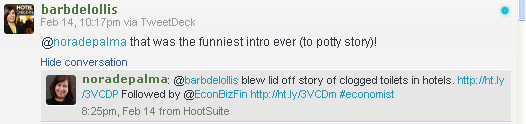
Three days later, DeLollis featured our client in her USA Today Hotel Check-In column.  DePalma followed up with some tweet love:

barbdelollis-tweet

Which led to further mentions:

The Economist Business Travel Blog 2/11/2011
AOL Weird News 2/18/2011
Bayou Renaissance Man Blog 2/20/2011
Discovery Channel Online 2/25/2011
MSNBC 2/25/2011
eHotelier Global Hospitality News 2/21/2011
PM Plumbing & Mechanical  7/1/2011

prsa-ga-2011_jnj2

John O’Reilly, Nora DePalma, Joel Williams

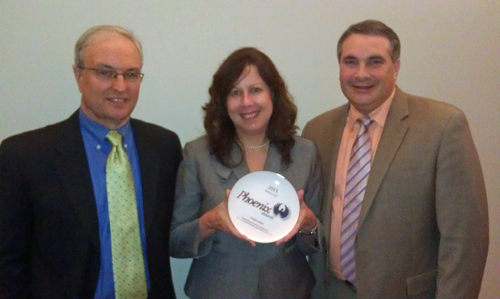
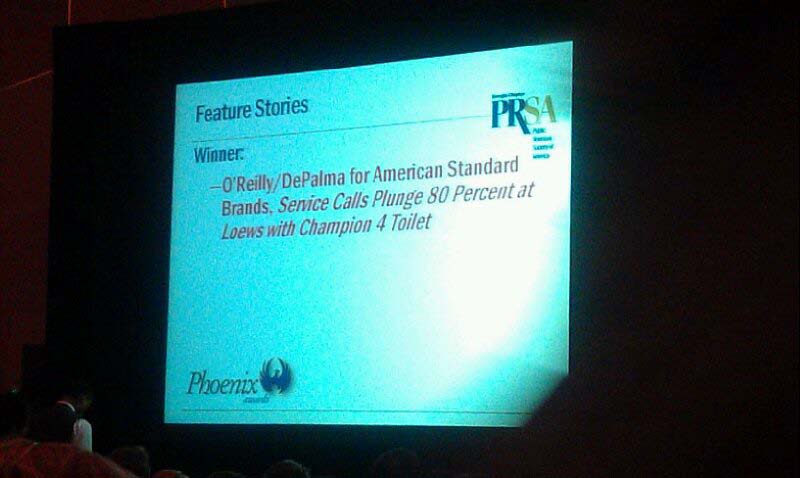
On Thursday, November 3, one of the largest Public Relations Society chapters in the US, PRSA GA, awarded O’Reilly/DePalma and American Standard Brands a Phoenix Award in Feature Writing for this public relations case history about case histories.

To find out how we can tell great stories about your products, email John or Nora.

<<What is a Case Study Part 1

<<What is a Case Study Part 2

Share and Enjoy:
  • Digg
  • StumbleUpon
  • del.icio.us
  • Facebook
  • Twitter
  • Google Bookmarks
  • BlinkList
  • blogmarks
  • Blogosphere
  • Diigo
  • eKudos
  • Fark
  • Faves
  • FriendFeed
  • Google Buzz
  • Identi.ca
  • LinkaGoGo
  • LinkedIn
  • Live
  • MySpace
  • Netvibes
  • NewsVine
  • Orkut
  • Ping.fm
  • Plurk
  • Propeller
  • Reddit
  • Simpy
  • Slashdot
  • Technorati
  • Tumblr
Nov
9

What is a Case Study Part 2 of 3

Posted on November 9, 2011 by Nora DePalma

Question: What is a case study and how can a story about the bathrooms at Loews Hotels garner 40 million impressions for a public relations’ client’s key messages?

Answer: It’s more than a case study or a customer testimonial. It’s a good story. One that a journalist recognizes as a good story. Which is defined as a story that people want to read.

A good story starts with asking the right questions of the right people. In the case of Loews, uncovering the story that Champion 4 toilet from American Standard reduced maintenance calls from overflowing toilets by 80% at their hotels and resorts took dogged pursuit of story leads, led by O’Reilly/DePalma account director Joel Williams.

champion-toilet-loews

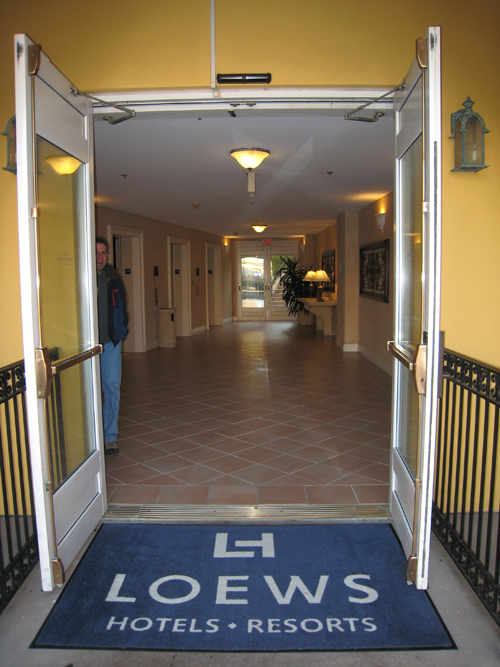
Service calls plunged at the Loews Portofino resort after installing the Champion 4 toilet

It started with a story lead, from the savvy American Standard sales executives who introduced Joel to three facilities managers associated with Loews. “I know what type of details editors are going to want to cover this story, so it’s my job to get the full scoop as efficiently as possible,” Williams said.

The glory is in the details, which means finding the best sources to tell your story. Calling sources and following leads brought Williams to Tony Rodrigues, Regional Director of Engineering for Loews Hotels at Universal Orlando.

Rodrigues was dealing with nearly 120 service calls each month that required a toilet plunger. As chief engineer overseeing three of Loews’ properties on-site at Universal Orlando Resort, multiply this plunger exercise by three and you can see where Rodrigues was ready to blow his lid (sorry).

Williams scored the money quote from Tony Rodrigues, after he put the American Standard Champion 4 to the test:

Maintenance calls at the Loews Portofino Bay property plunged more than 80 percent after replacing 750 Kohler® brand toilets with the American Standard Champion® 4 toilet.

prsa-ga-2011_jj_2

Seasoned brand journalists, Joel Williams and John O’Reilly

As you can see from Williams’s bio on our site, he didn’t just fall off the turnip truck when it comes to understanding building systems. He’s not a writer you can find for $23/hr. It takes knowledge and experience to gain credibility among building specifiers and installers.

And top tier journalists.

<< What is a Case Study Part 1 of 3

Next: What is a Case Study Part 3 of 3, a.k.a. Journalists Are People, Too >>

Share and Enjoy:
  • Digg
  • StumbleUpon
  • del.icio.us
  • Facebook
  • Twitter
  • Google Bookmarks
  • BlinkList
  • blogmarks
  • Blogosphere
  • Diigo
  • eKudos
  • Fark
  • Faves
  • FriendFeed
  • Google Buzz
  • Identi.ca
  • LinkaGoGo
  • LinkedIn
  • Live
  • MySpace
  • Netvibes
  • NewsVine
  • Orkut
  • Ping.fm
  • Plurk
  • Propeller
  • Reddit
  • Simpy
  • Slashdot
  • Technorati
  • Tumblr
Nov
8

What is a Case Study a.k.a. What is Brand Journalism?

Posted on November 8, 2011 by Nora DePalma

What is a case study? At its heart, a case study or a testimonial sample is an incredibly well-told story that compels people who experience it to buy into its value proposition.

“Great work. This is exactly the type of PR that makes a difference.”
–Chief Marketing Officer, American Standard Brands

Ten years into our relationship with American Standard Brands, O’Reilly/DePalma enjoyed such feedback after USA Today and The Economist travel blogs, as well as AOL News and others ran stories about how the Loews hotel chain saw maintenance calls for clogged toilets plunge 80% after the Champion 4 toilet was installed.

loews-portofino

It all hinged on the money quote we sourced through solid brand journalism:

Maintenance calls at the Loews Portofino Bay property plunged more than 80 percent after replacing 750 Kohler® brand toilets with the American Standard Champion® 4 toilet.

We sent our findings around to influencers seeking trends in the hospitality industry and garnered fantastic coverage for American Standard and the Champion 4 toilet:

“‘Think about the embarrassment and inconvenience of a toilet clog,’ Dick Senechal, Loews’ senior vice president of facilities, who calls American Standard’s Champion 4 toilet an industry breakthrough, told me. ‘Eliminating that is a great service for our guests.’” — From Barbara DeLollis of USA Today Hotel Check-In.

“The chain has decided that enough is enough and is to upgrade the toilets across its properties. And we’re not talking any old loo. We’re talking American Standard’s Champion 4.” — From Gulliver, The Economist

“According to James Walsh, American Standard’s vice president and general manager of consumer fixtures, the Champion 4 proves that not all low-flow toilets do a crappy job. ‘The first generation of low-flow toilets had such poor performance that they left many people under the impression they weren’t, pardon the expression, worth a ‘crap,” said Walsh, whose knowledge of the inner workings of toilets has led some of his co-workers to call him ‘Professor Toilet.’” – From David Moye, AOL News

To date, this case study has garnered more than 40 million impressions and is a 2011  PRSA GA Phoenix Award winner for Feature Stories.

prsa-ga-2011_sign

How do big-time “top-tier” media placements like this happen? Three not-so-simple steps:

1. Create a good quality product that solves a real problem. Your product has to do what it says it will do. Otherwise, the Internet will find you out and destroy you. Be authentic.

2. Hire people who know how to find and tell a compelling story so that prospects absorb your message. If you have never fast-forwarded through a TV ad  or clicked impatiently through a marketing message to get to the story you want to read, we permit you to believe that you can still force-feed marketing messages.

3. Do your homework to identify the best media outlet and the best journalist to tell your story to a larger audience. Tailor the pitch, keep it channel-exclusive and follow up patiently and appropriately. Think about helping someone else (the journalist) instead of pushing them.

How do you find and tell a good story? It starts by asking the right questions of the right people. In the building products industry, that requires someone with the subject-matter expertise and journalistic tact to engage homeowners, developers, builders, architects, facilities managers, designers, contractors, specifiers and designers. (Remember, people: Don’t try this with a generalist PR agency junior account executive.)

Next: What is a Case Study Part 2

Share and Enjoy:
  • Digg
  • StumbleUpon
  • del.icio.us
  • Facebook
  • Twitter
  • Google Bookmarks
  • BlinkList
  • blogmarks
  • Blogosphere
  • Diigo
  • eKudos
  • Fark
  • Faves
  • FriendFeed
  • Google Buzz
  • Identi.ca
  • LinkaGoGo
  • LinkedIn
  • Live
  • MySpace
  • Netvibes
  • NewsVine
  • Orkut
  • Ping.fm
  • Plurk
  • Propeller
  • Reddit
  • Simpy
  • Slashdot
  • Technorati
  • Tumblr
May
19

Media Pitching by Twitter, Facebook… even text message?

Posted on May 19, 2011 by Erik Hoffer

So said panelists on the media breakfast hosted by BusinessWire in Chicago last week.

Featured guest speakers included Kathryn Janicek, Daypart Manager/Executive Producer, NBC 5 Chicago; Susanna Negovan, Editor-in-Chief, Michigan Avenue Magazine; and Kathryn Born, founder and Editor-in-Chief of both TINC Magazine (Technology Industry News – Chicago) and Chicago Art Magazine.

Here are several interesting points the speakers made during the event, some of which reinforced OR/DP’s view on media relations and some of which seem to be new concepts due to ever-evolving social media outlets:

  • Don’t bother leaving voicemails with media. Due to meetings and appointments throughout the day, they may only have three hours at their desk and have no interest in fielding voicemails. It was noted that some media contacts have interns check voicemails once a week at best.
  • One speaker estimated that she fielded only 20% of e-mail pitches. So how do you create the one in five that gets opened? Be creative with the subject line without burying the lead for the content that is being pitched. Keep e-mail pitches to one paragraph (without attachments) if possible. When pitching by phone, don’t bother introducing yourself. Just get straight to the point of the pitch as you would with an e-mail.
  • Relating to the brevity of pitches, more media contacts are accepting them via social media such as Twitter and Facebook. NBC’s Janicek even welcomed receiving creative pitches via cell phone text messages (if one is lucky enough to get her number).
  • Take the time to review a publication’s content and tie it into your pitches if possible. Media contacts appreciate someone who knows their publication, news program, etc. and takes time to do the research.
Share and Enjoy:
  • Digg
  • StumbleUpon
  • del.icio.us
  • Facebook
  • Twitter
  • Google Bookmarks
  • BlinkList
  • blogmarks
  • Blogosphere
  • Diigo
  • eKudos
  • Fark
  • Faves
  • FriendFeed
  • Google Buzz
  • Identi.ca
  • LinkaGoGo
  • LinkedIn
  • Live
  • MySpace
  • Netvibes
  • NewsVine
  • Orkut
  • Ping.fm
  • Plurk
  • Propeller
  • Reddit
  • Simpy
  • Slashdot
  • Technorati
  • Tumblr
Mar
4

From daily5remodel: The Inside Scoop: PR for Remodeling Companies

Posted on March 4, 2011 by Nora DePalma

Thank you to industry journalist Leah Thayer for allowing O’Reilly/DePalma to reprint this daily5remodel premium content interview between Leah and O’Reilly/DePalma principal Nora DePalma.

Not a daily5remodel premium subscriber? Register here for your free 30-day trial!

d5R: When to outsource PR and when to handle it in-house?

NDP: One of most misleading terms in business is “free publicity.” There is a time commitment to garner media attention and a skill set required in knowing how the media tells a story. In many cases, a remodeler will be well served with outside counsel, dedicating a set number of hours each month to achieve measurable goals within the budget.

Remodelers who are natural-born salespeople, power networkers and fun storytellers, however, might do quite well handling PR in-house, along with support from a team member who can help identify places and opportunities to connect.

d5R: What “deliverables” and performance metrics should you expect from your PR team?

NDP: The Public Relations Society of America (PRSA) advises success metrics that are relevant, realistic, specific, measureable and timely. You want PR counsel committing to results, not just deliverables.  View examples of success metrics for remodeling firms by downloading the complete article here.

d5R: What should a remodeler expect to pay for good PR counsel? Is a retainer necessary? How long of a contract should you sign?

NDP: The PR field has its share of dog-and-truck contractors. You know the drill about proposals that sound too good to be true.

The investment compensates the practitioner’s time to follow your target media outlets and identify new opportunities. We look at the upcoming publishing schedules and try to anticipate ways our clients can help reporters and editors. We email them. We meet with them. Of late, we Tweet with them.

That time can be accounted for in either a flat monthly retainer or an hourly rate. A retainer can be easier for cash flow forecasting, but you can achieve the same idea by setting a monthly limit on hours.    The contract should allow you to stop or slow down with no more than 30 days notice. Never sign a contract that holds you hostage for six months or more.  Examples of hourly rates provided here.

Download the complete interview with daily5remodel here.

Share and Enjoy:
  • Digg
  • StumbleUpon
  • del.icio.us
  • Facebook
  • Twitter
  • Google Bookmarks
  • BlinkList
  • blogmarks
  • Blogosphere
  • Diigo
  • eKudos
  • Fark
  • Faves
  • FriendFeed
  • Google Buzz
  • Identi.ca
  • LinkaGoGo
  • LinkedIn
  • Live
  • MySpace
  • Netvibes
  • NewsVine
  • Orkut
  • Ping.fm
  • Plurk
  • Propeller
  • Reddit
  • Simpy
  • Slashdot
  • Technorati
  • Tumblr
Feb
23

When Bad PR Happens to Good Companies

Posted on February 23, 2011 by Nora DePalma

The Problem With Public Relations – NYTimes.com:  we read stories like this one on the NY Times small business blog and we don’t know whether to laugh or cry.

We laugh because we know we can do so much better at public relations.  We cry because we don’t get the chance after good companies have been burned by bad PR.
How to avoid this?

1. Established PR firms know what it takes to get the job done.  Once you’ve met and established objectives, your agency should be able to set success metrics.  And not fluffy ones, either.  You should be working against hard numbers: how many impressions does the agency estimate based on the scope of work?  How many leads are expected?  How many trade show interviews will there be?  How many people will attend your event? You should agree in advance on the success metrics and receive regular reports on progress.
2.  Check references, ideally from clients who have a similar business model or business challenges.  Building products companies need PR firms with a strong track record in durable goods that have complex stories, long-selling cycles and varied sales channels.   As this article shows, people are not shy about sharing a bad experience.  Luckily, we also know that people aren’t shy about sharing a good experience.

3. Avoid onerous contracts.  Don’t sign anything that holds you hostage to an agency.  For a project-based relationship, you should be able to move on at any time.  For an ongoing relationship, you should be able to break free in 30-45 days, depending on the volume of work and the length of relationship.

What are your tips to avoid bad PR happening to good companies?

Share and Enjoy:
  • Digg
  • StumbleUpon
  • del.icio.us
  • Facebook
  • Twitter
  • Google Bookmarks
  • BlinkList
  • blogmarks
  • Blogosphere
  • Diigo
  • eKudos
  • Fark
  • Faves
  • FriendFeed
  • Google Buzz
  • Identi.ca
  • LinkaGoGo
  • LinkedIn
  • Live
  • MySpace
  • Netvibes
  • NewsVine
  • Orkut
  • Ping.fm
  • Plurk
  • Propeller
  • Reddit
  • Simpy
  • Slashdot
  • Technorati
  • Tumblr
Apr
18

How Journalists are Using Social Media for Real Results

Posted on April 18, 2010 by Nora DePalma

Great quote via Mashable, Brian Dresher, manager of social media and digital partnerships at USA TODAY, agrees that Twitter is an excellent source for journalists looking for leads. In fact, throughout 2009, he conducted bi-weekly training sessions with the paper’s journalists in order to teach them how best to use the microblogging site. “

I think the most vital [aspect of the] tool is the engagement with the audience,” he says. “To not participate in conversations that are taking place or to avoid monitoring trends is going to result in lost opportunities. [By keeping up with Twitter], journalists are able to take a trend they first spot on Twitter and the real-time Internet and continue to develop it in more detail.”

Read more via How Journalists are Using Social Media for Real Results.

Share and Enjoy:
  • Digg
  • StumbleUpon
  • del.icio.us
  • Facebook
  • Twitter
  • Google Bookmarks
  • BlinkList
  • blogmarks
  • Blogosphere
  • Diigo
  • eKudos
  • Fark
  • Faves
  • FriendFeed
  • Google Buzz
  • Identi.ca
  • LinkaGoGo
  • LinkedIn
  • Live
  • MySpace
  • Netvibes
  • NewsVine
  • Orkut
  • Ping.fm
  • Plurk
  • Propeller
  • Reddit
  • Simpy
  • Slashdot
  • Technorati
  • Tumblr
National Kitchen and Bath Association Public Relations Society of America: Georgia Green Earth PR Network